Osgood Schlatter Disease Radiology
Osgood Schlatter Disease Radiology Reference Article Radiopaedia Org
Osgood schlatter disease radiology. Background The pathogenesis of the Osgood-Schlatters disease OSD is still debated. Dr Ammar Haouimi and Dr Behrang Amini et al. Osgood Schlatter disease is a clinical diagnosis and radiographic evaluation is usually not necessary.
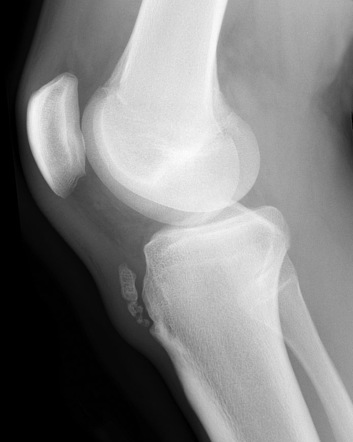
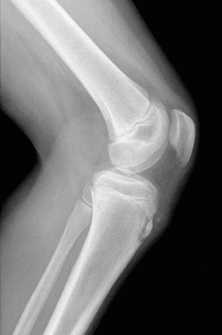
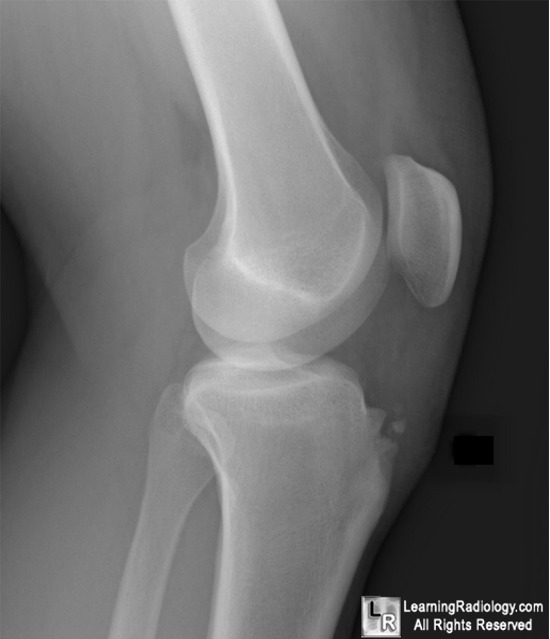
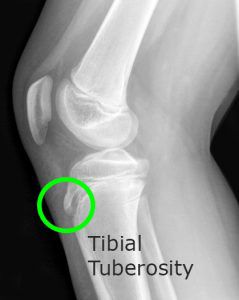
The disease is characterized by inflammationpain swelling and tendernessat the tibial tubercle. There is also edema in the region of the infrapatellar bursa. The imaging modality of choice for tibial tubercle fractures is plain radiography.
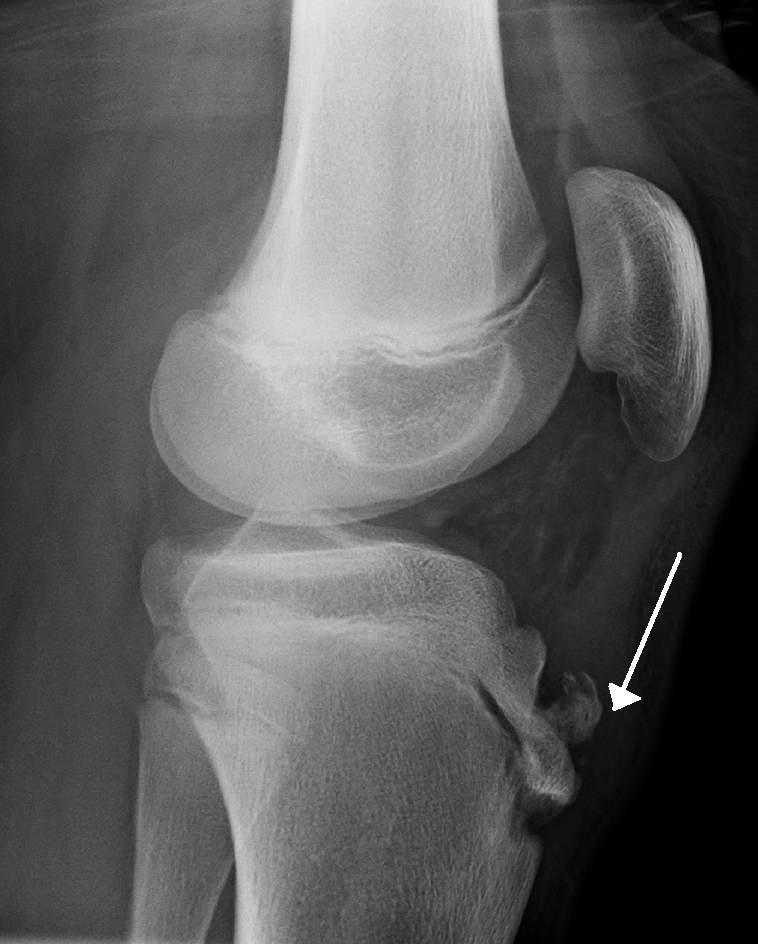
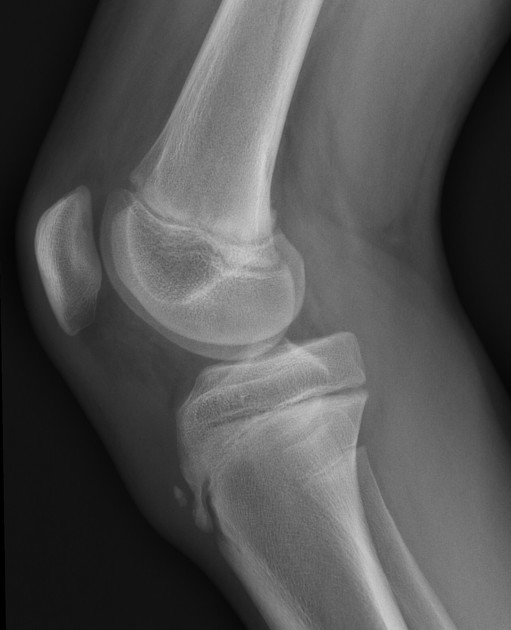
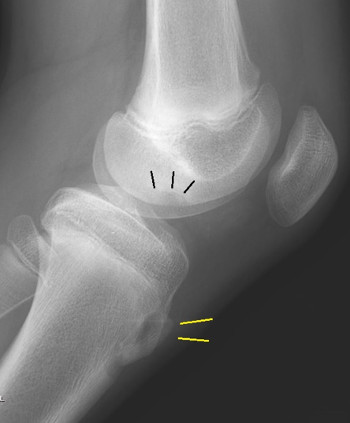
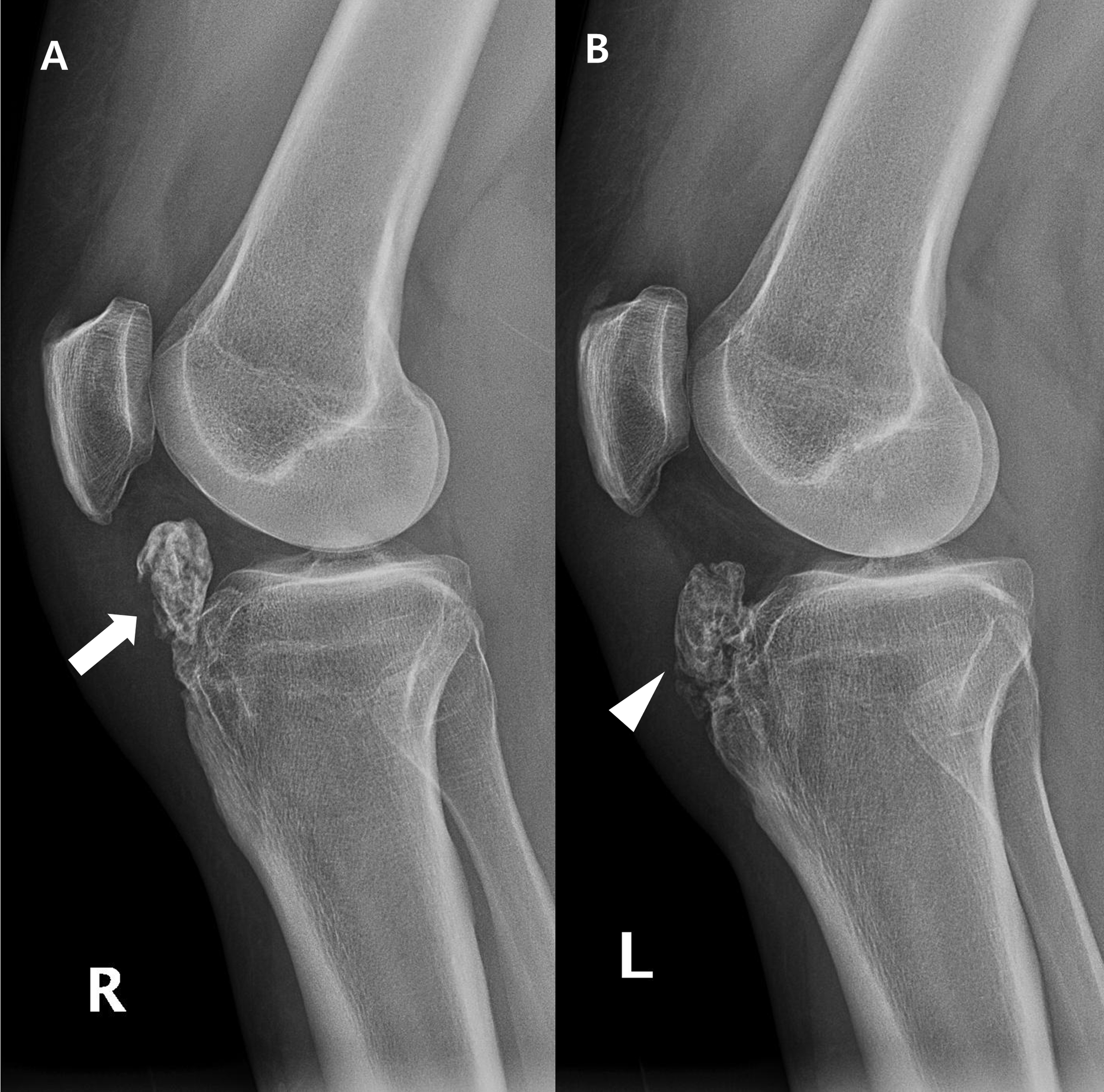
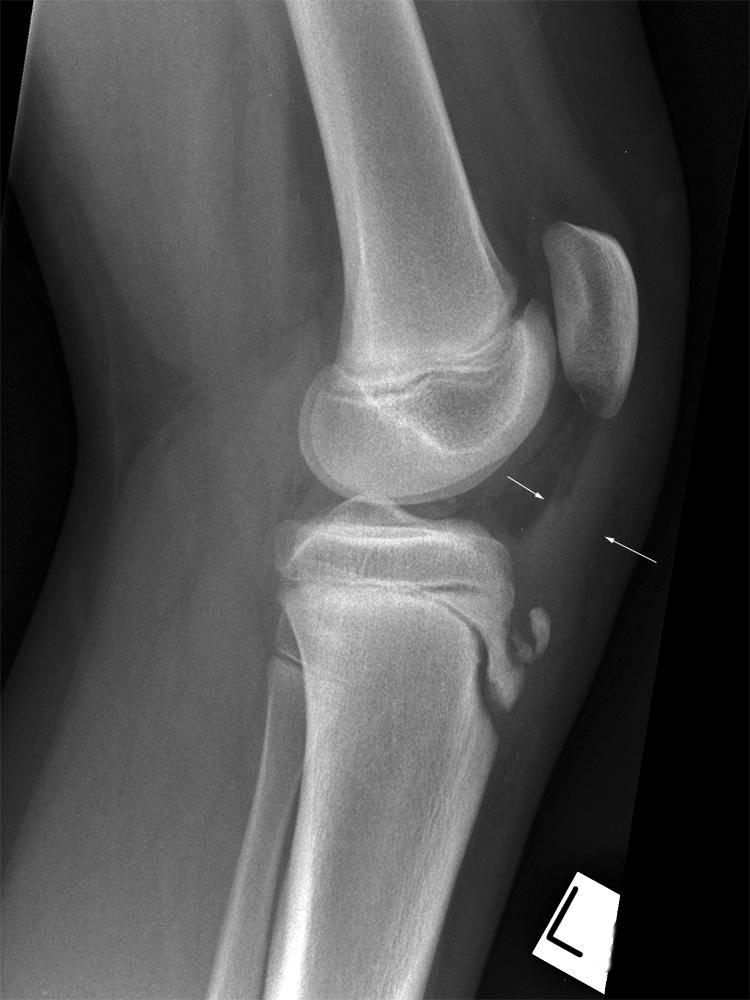
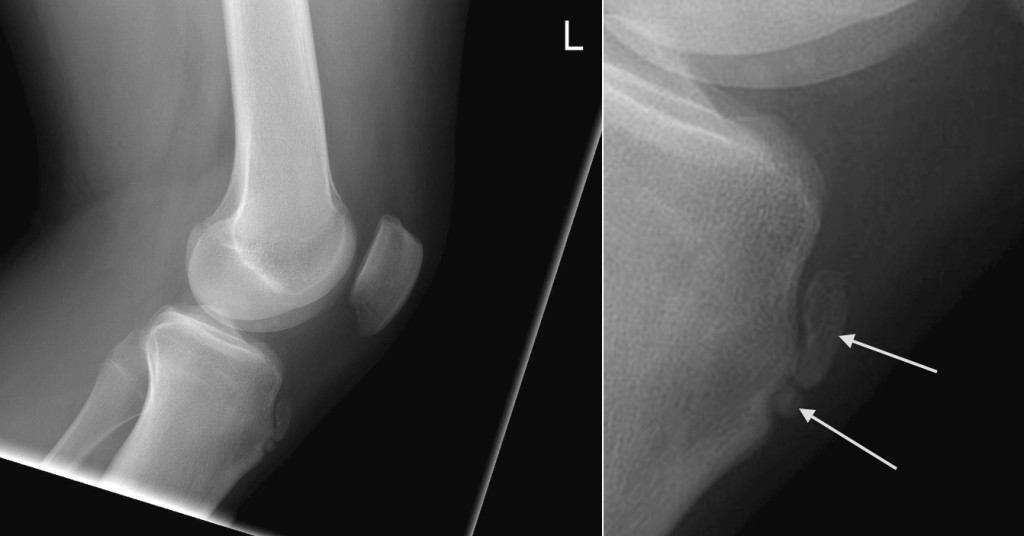
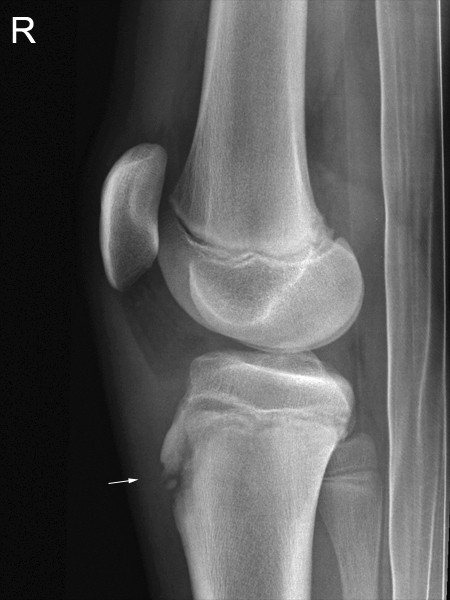
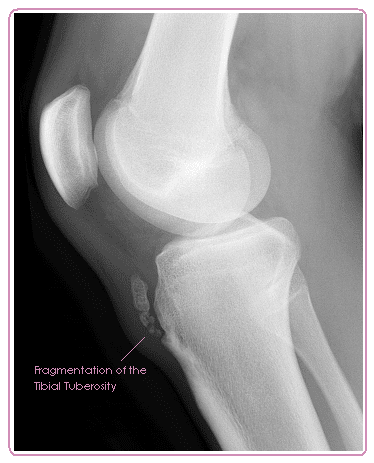
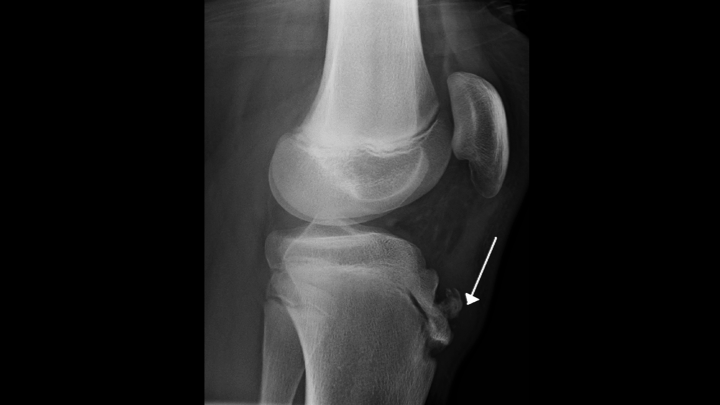
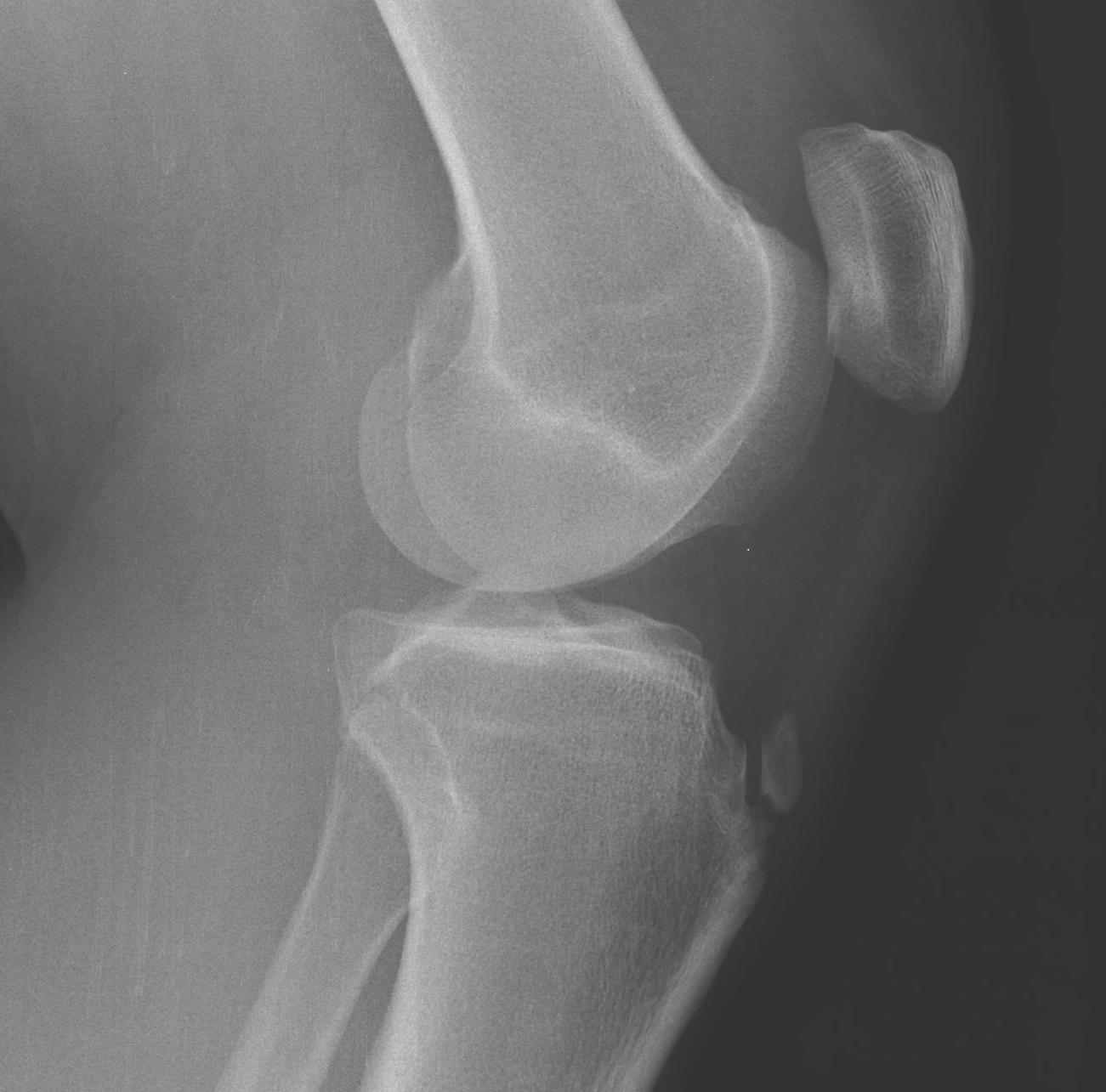
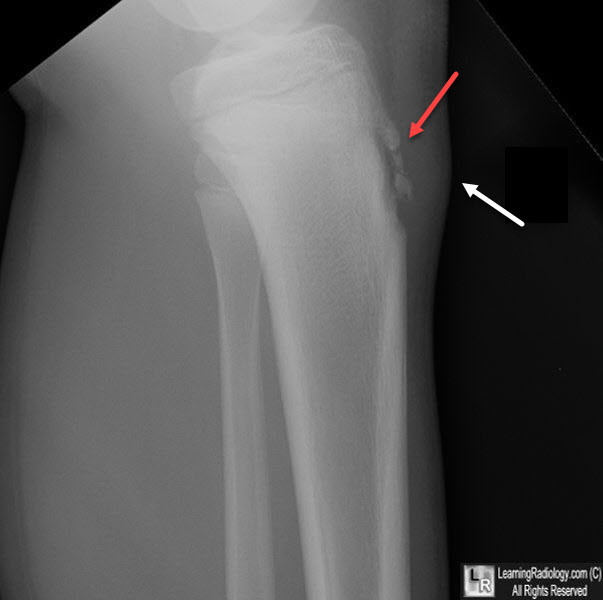
If not managed early the condition can progress to several sequelae including formation of ossicles within the distal patella. Osgood-Schlatter disease itself also predisposes to fractures of the tibial tubercle 6. White arrow points to fragmentation of the tibial tubercle tuberosity with overlying soft tissue swelling.
Provided pain is in the region of the tibial tuberosity these findings are consistent with Osgood-Schlatter disease. One presumed mechanism of injury is a Stieda fracture avulsion injury of the medial collateral ligament at the medial femoral condyle. SINCE Osgood described a lesion of the adolescent tibial tuberosity in 1903 1 various men have collected small series of cases and each has given his opinion as to the etiology.
Commonly for this condition there is also a history of a very athletic active adolescence. Patients commonly complain of pain and soreness at. Osgood-Schlatter is a traction apophysitis of the tibial tuberosity prevalent in young teenagers that participate in sports involving mainly jumping 1 2.
Pellegrini-Stieda lesions are ossified post-traumatic lesions at or near the medial femoral collateral ligament adjacent to the margin of the medial femoral condyle. Again Schlatter in 1908 2 described a similar condition which is now recognized as a clinical entity and generally known as Osgood-Schlatters disease though. Osgood-Schlatter disease is a traction apophysitis which involves the insertion of the patellar tendon at the tibial tuberosity.
Case contributed by Assoc Prof Frank Gaillard. It is a nontraumatic condition.

Osgood Schlatter Disease Radiology Case Radiopaedia Org

Osgood Schlatter Disease Radiology Case Radiopaedia Org
Osgood Schlatter Disease Wikipedia
Osgood Schlatter Disease Radiology Reference Article Radiopaedia Org
Orthokids Osgood Schlatter S Disease

Osgood Schlatter Disease Radiology Case Radiopaedia Org Radiology Osgood Schlatter Disease Radiology Imaging
Cureus Intra Articular Large Ossicle Associated To Osgood Schlatter Disease

Osgood Schlatter Disease Radiology Reference Article Radiopaedia Org Osgood Schlatter Disease Disease Radiology
Osgood Schlatter Disease Wikiradiography
Osgood Schlatter Disease Radiology At St Vincent S University Hospital

Injuries And Conditions Of The Extensor Mechanism Of The Pediatric Knee Radiographics

Osgood Schlatter Disease Collection Of Plain X Rays

Injuries And Conditions Of The Extensor Mechanism Of The Pediatric Knee Radiographics
Osgood Schlatter Disease Wikiradiography

The Third Eye Radiology Site Osgood Schlatter Disease

Osgood Schlatter S Disease Campbell Clinic Orthopaedics
What Is The Best Treatment For Osgood Schlatter Disease Blackberry Clinic

X Ray Of Osgood Schlatter Disease Youtube

Osgood Schlatter Disease Radiology Case Radiopaedia Org

Osgood Schlatter Disease Nejm

Osgood Schlatters Fifa Medical Platform

Osgood Schlatter Disease X Ray Stock Image C046 8599 Science Photo Library

Ficheiro Osgood Schlatter Disease X Ray Jpeg Wikipedia A Enciclopedia Livre
1

Osgood Schlatter Syndrome In Three Boys Aged 14 16 Years With Varying Download Scientific Diagram

Osgood Schlatters Fifa Medical Platform

Osgood Schlatter Disease Why The Cause Is Back Related Your Wellness Nerd
What Is Osgood Schlatter S Disease Orthocarolina

Osgood Schlatter Disease Radiology Case Radiopaedia Org Osgood Schlatter Disease Disease Radiology
Osgood Schlatter Disease

Osgood Schlatter Disease Radiology Case Radiopaedia Org
Learningradiology Osgood Schlatter Disease
Osgood Schlatter S Disease The Bone School

Unresolved Osgood Schlatter Disease Eurorad

The Third Eye Radiology Site Osgood Schlatter Disease
Osgood Schlatter Disease Prof Nicola Portinaro Orthopedic Suregon
Osgood Schlatter Disease Johns Hopkins Medicine

Osgood Schlatter Disease Mri Sumer S Radiology Blog

Osgood Schlatter Disease In An 11 Year Old Female With Anterior Knee Download Scientific Diagram

Osgood Schlatter Disease Sumer S Radiology Blog

Osgood Schlatter S Disease Wikidata

Osgood Schlatter Disease Bmj Case Reports
Learningradiology Osgood Schlatter Disease

Epos Trade

Orthobullets Osgood Schlatter Disease Is A Traction Facebook

Injuries And Conditions Of The Extensor Mechanism Of The Pediatric Knee Radiographics
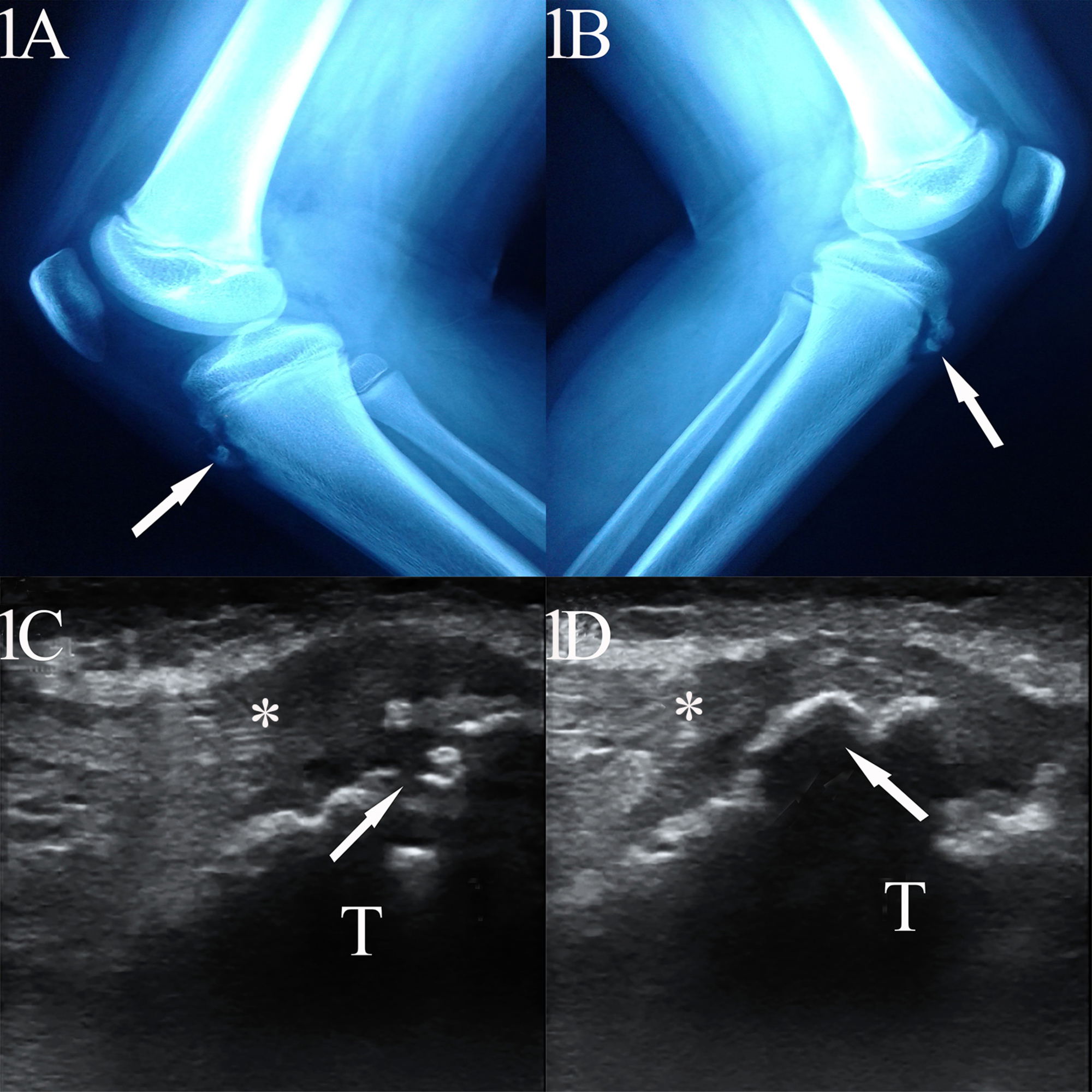
Cureus Osgood Schlatter Disease Unveiled Under High Frequency Ultrasonogram
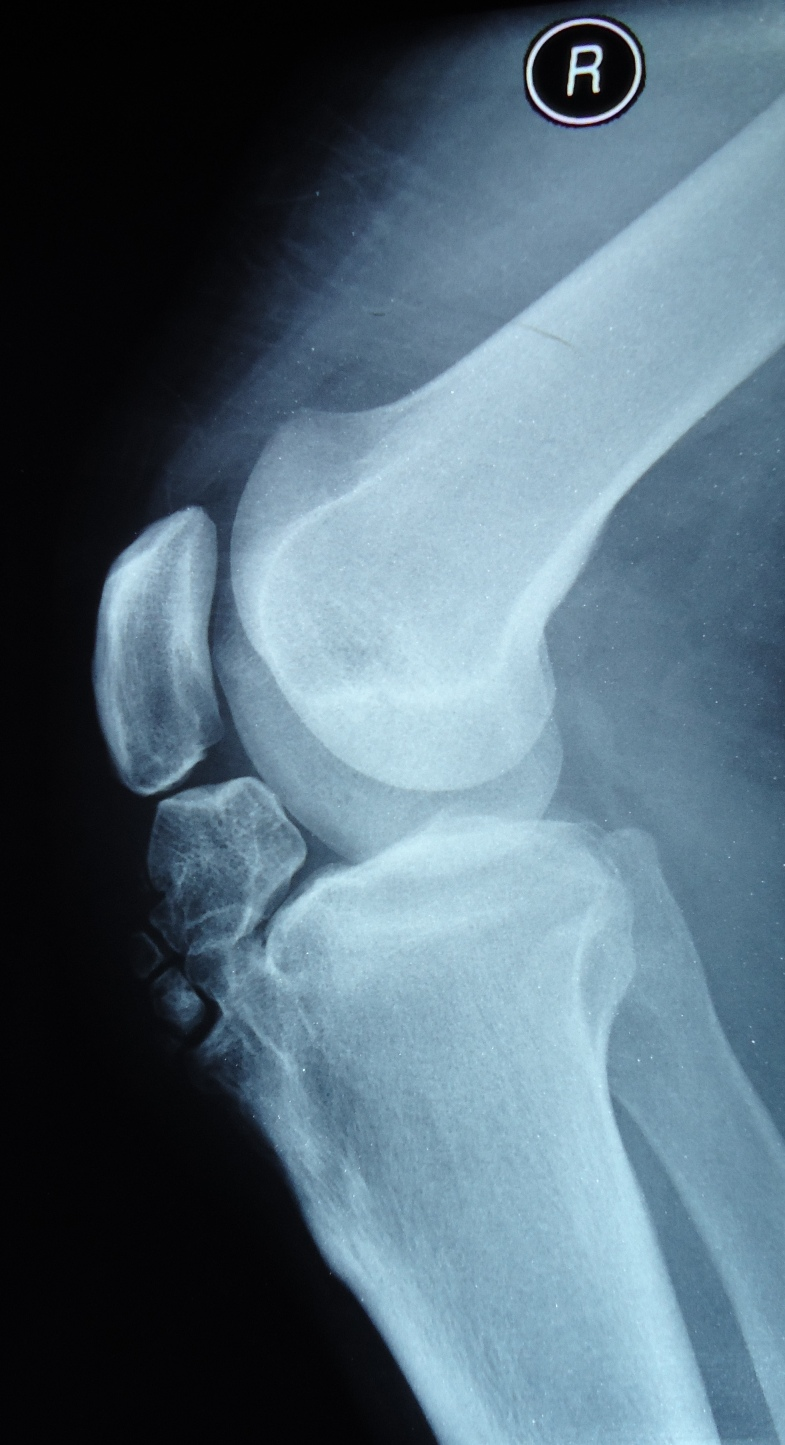
Arthroscopic Excision Of A Huge Ununited Ossicle Due To Osgood Schlatter Disease In An Adult Patient Journal Of Orthopaedic Case Reports
1
One presumed mechanism of injury is a Stieda fracture avulsion injury of the medial collateral ligament at the medial femoral condyle.
Osgood-Schlatter disease is a traction apophysitis which involves the insertion of the patellar tendon at the tibial tuberosity. Longitudinal evaluation was undertaken in 22 patients and the mean follow-up was 1509 years. Thirty boys 40 knees with OSD diagnosed by clinical symptoms and signs were investigated with MRI. If not managed early the condition can progress to several sequelae including formation of ossicles within the distal patella. Commonly for this condition there is also a history of a very athletic active adolescence. Occurs at the inferior attachment of the patellar tendon onto the tibial tuberosity. Provided pain is in the region of the tibial tuberosity these findings are consistent with Osgood-Schlatter disease. Patients commonly complain of pain and soreness at. For more information click on the link if you see this icon For this same photo without the annotations click here.
The disease is characterized by inflammationpain swelling and tendernessat the tibial tubercle. Pellegrini-Stieda lesions are ossified post-traumatic lesions at or near the medial femoral collateral ligament adjacent to the margin of the medial femoral condyle. Oblique radiographs of the proximal tibia can be useful to better demonstrate the tubercle as it lies just lateral to the midline. Same location and similar pathology but seen in adults some authors do not distinguish between Sinding-Larsen-Johansson and jumpers knee 2. One presumed mechanism of injury is a Stieda fracture avulsion injury of the medial collateral ligament at the medial femoral condyle. Again Schlatter in 1908 2 described a similar condition which is now recognized as a clinical entity and generally known as Osgood-Schlatters disease though. It is a nontraumatic condition.

Post a Comment for "Osgood Schlatter Disease Radiology"