Branched Chain Amino Acids Liver Disease
Branched Chain Amino Acids In Liver Diseases
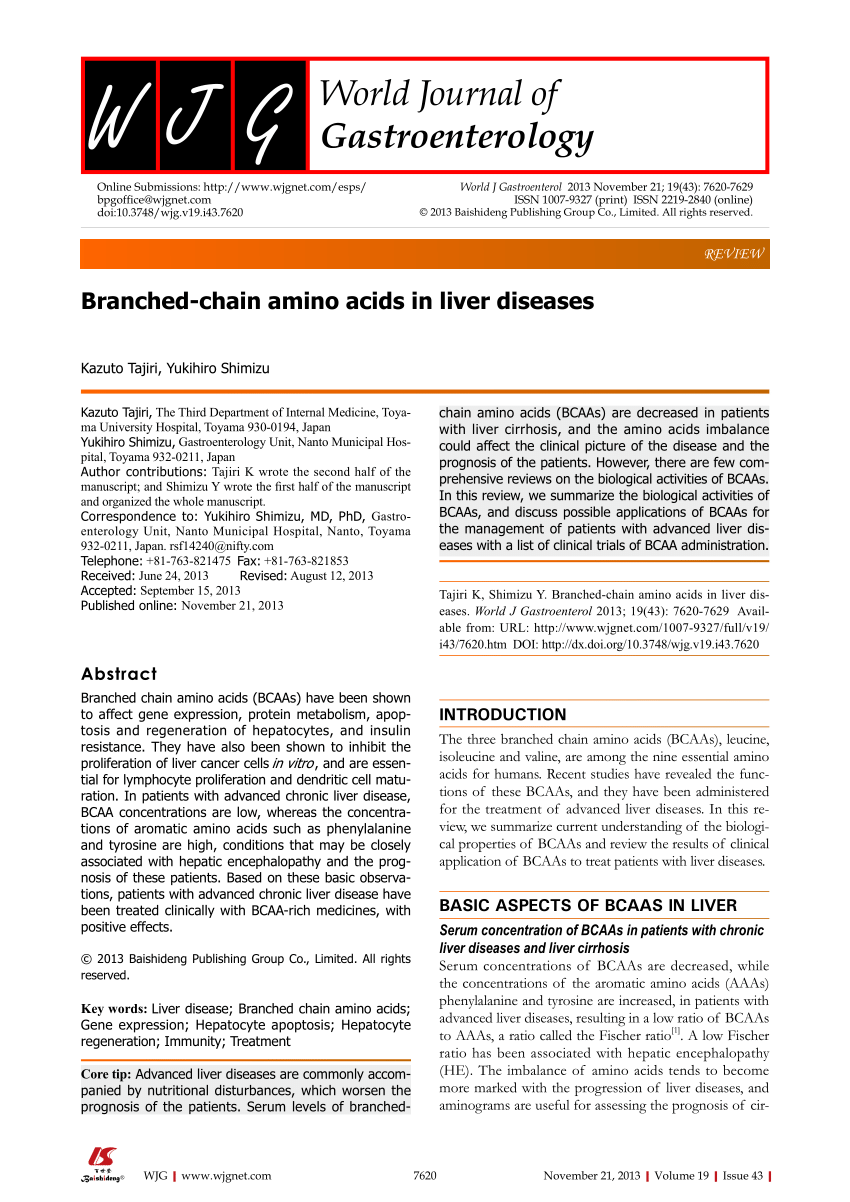
Branched chain amino acids liver disease. Long-term supplementation with oral BCAAs can potentially improve liver. Serum levels of branched- chain amino acids BCAAs are decreased in patients with liver cirrhosis and the amino acids imbalance could affect the clinical picture of the disease and the prognosis of the patients. Plauth M 1 Schütz T.
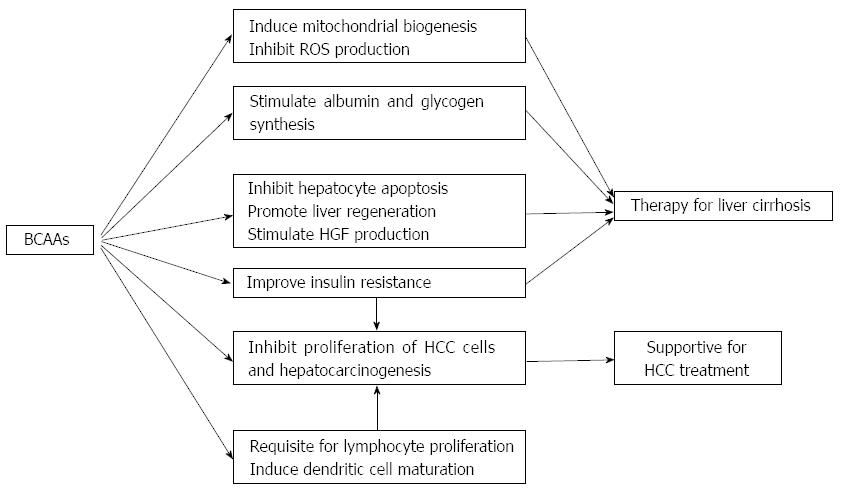
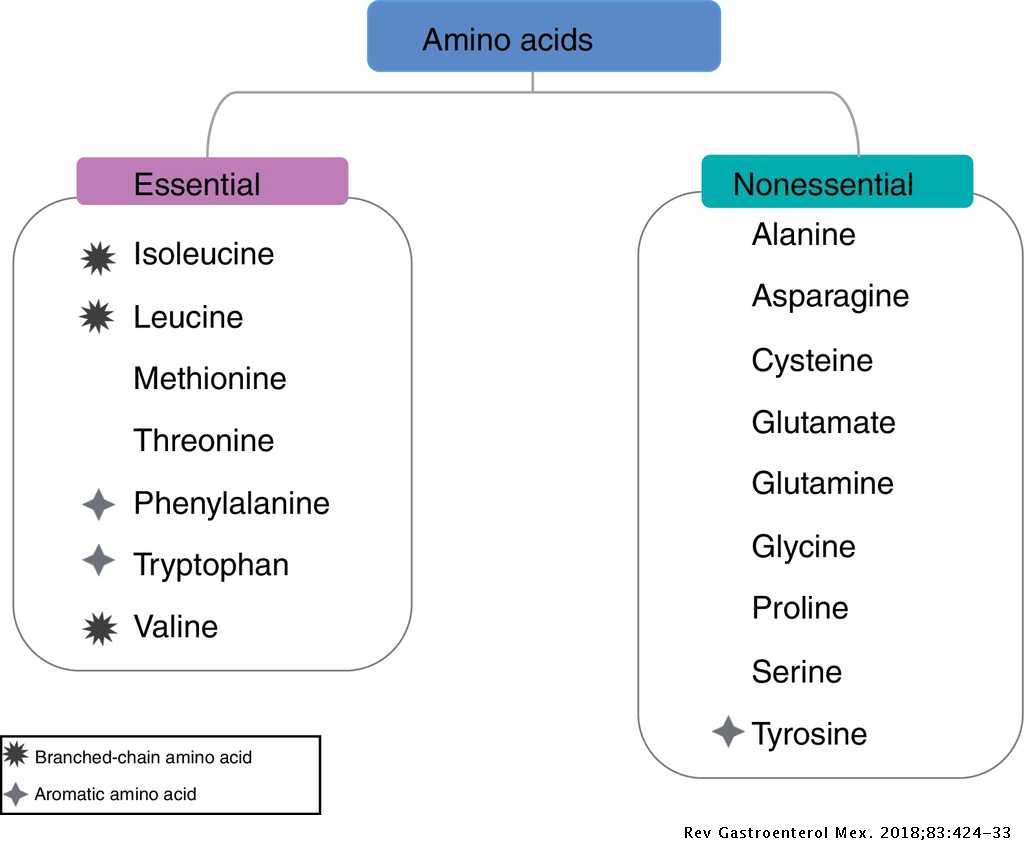
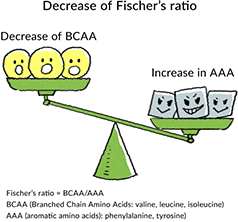
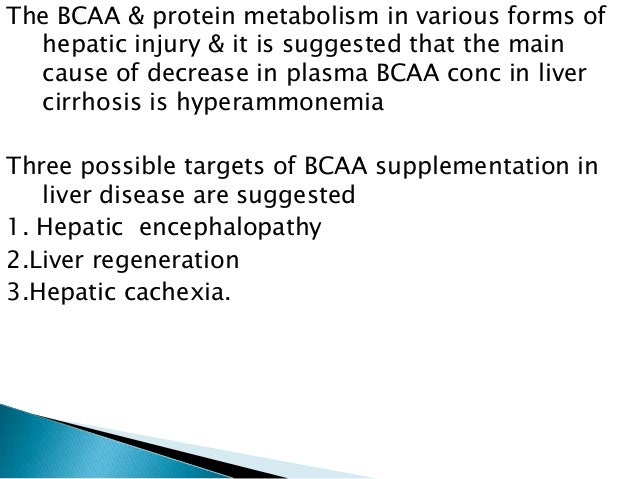
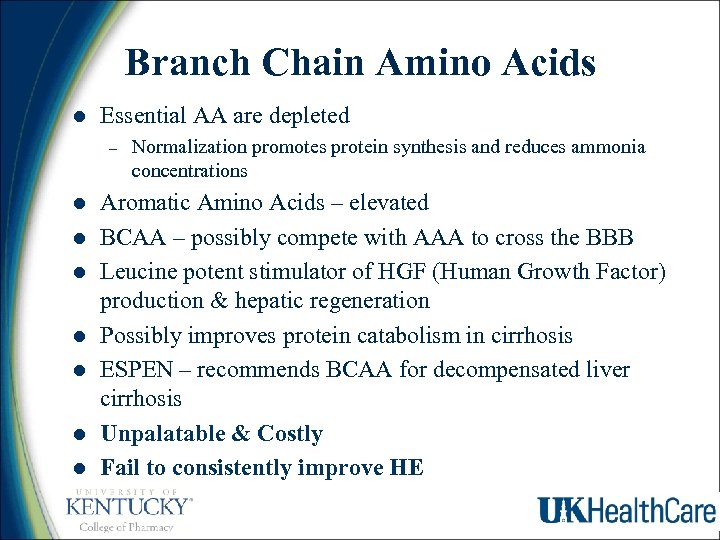
A low ratio of plasma BCAAs to aromatic amino acids is a physiological hallmark of liver cirrhosis and BCAA supplementation was originally devised with the intention of normalizing amino acid profiles and nutritional status. Branched-chain amino acids in liver disease. However there are few com- prehensive reviews on the biological activities of BCAAs.
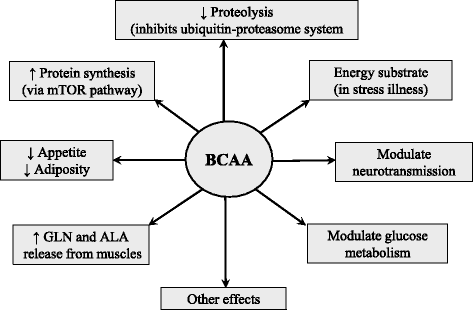
Administration of branched-chain amino acids stimulates hepatic protein synthesis in patients with chronic liver disease and this could contribute significantly to improving their nutritional status and result in a better quality of life. Moreover metabolomic profiles of peripheral tissues involved in glucose. They have also been shown to inhibit the proliferation of liver cancer cells in vitro and are essential for lymphocyte proliferation and dendritic cell maturation.
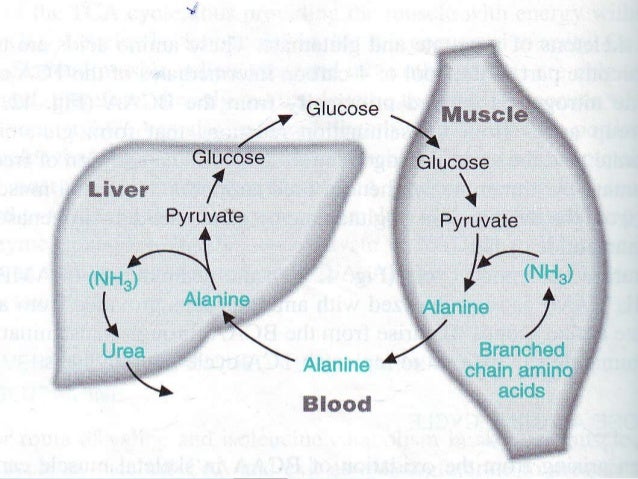
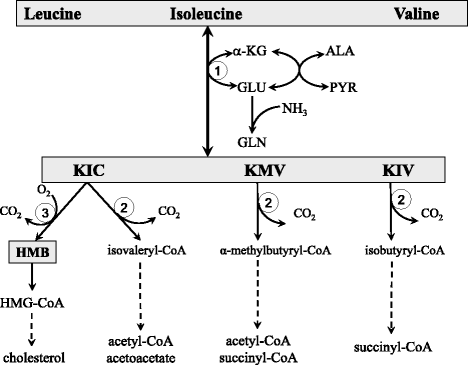
Valine leucine and isoleucine in treatment of liver failure is based on their unique pharmacologic properties stimulatory effect on ammonia detoxification to glutamine GLN and decreased concentrations in liver cirrhosis. Effects of Branched-Chain Amino Acid BCAA Supplementation on the Progression of Advanced Liver Disease. Up to 10 cash back Increased levels of branched-chain amino acids BCAAs are associated with type 2 diabetes pathogenesis.
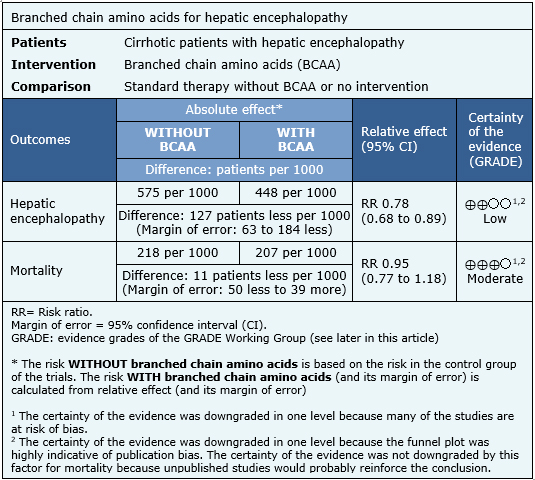
Branched chain amino acids in the treatment of latent portosystemic encephalopathy. Is intravenous administration of branched chain amino acids effective in the treatment of hepatic encephalopathy. Liver diseases like fatty liver disease or liver cirrhosis often results in amino acid imbalances including particularly low levels of branched-chain amino acids.
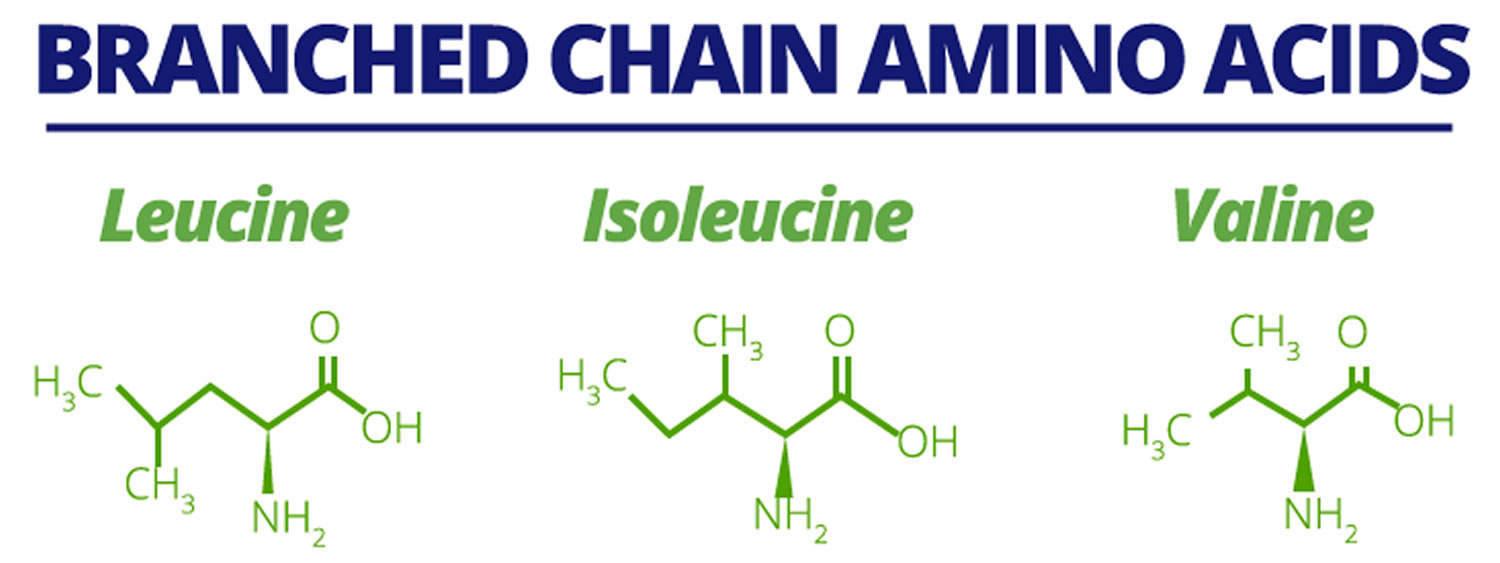
However most metabolomic studies are limited to an analysis of plasma metabolites under fasting conditions rather than the dynamic shift in response to a metabolic challenge. Google Scholar Egberts EH Schomerus H Hamster W Jürgens P. Branched-chain amino acids BCAAs are a group of essential amino acids comprising valine leucine and isoleucine.
The beneficial role of branched-chain amino acids supplementation in patients with chronic hepatic encephalopathy has been clearly documented in. New aspects of long known phenomena.

Branched Chain Amino Acid Supplementation In Treatment Of Liver Cirrhosis Updated Views On How To Attenuate Their Harmful Effects On Cataplerosis And Ammonia Formation Sciencedirect
Branched Chain Amino Acids In Liver Diseases Tajiri Translational Gastroenterology And Hepatology

Branched Chain Amino Acids As A Protein And Energy Source In Liver Cirrhosis Sciencedirect
Dietary Management And Supplementation With Branched Chain Amino Acids In Cirrhosis Of The Liver Revista De Gastroenterologia De Mexico

Figure 2 From Three Targets Of Branched Chain Amino Acid Supplementation In The Treatment Of Liver Disease Semantic Scholar

Branched Chain Amino Acid Supplementation In Treatment Of Liver Cirrhosis Updated Views On How To Attenuate Their Harmful Effects On Cataplerosis And Ammonia Formation Sciencedirect

Branched Chain Amino Acids In Disease Science

Branched Chain Amino Acid Supplementation In Treatment Of Liver Cirrhosis Updated Views On How To Attenuate Their Harmful Effects On Cataplerosis And Ammonia Formation Sciencedirect

Branched Chain Amino Acids As Pharmacological Nutrients In Chronic Liver Disease Kawaguchi 2011 Hepatology Wiley Online Library

Three Targets Of Branched Chain Amino Acid Supplementation In The Treatment Of Liver Disease Semantic Scholar

Branched Chain Amino Acids And Ammonia Metabolism In Liver Disease Therapeutic Implications Sciencedirect
Nutritional Condition Determines The Prognosis Of Liver Cirrhosis Otsuka Pharmaceutical Co Ltd

Bcaa Benefits A Review Of Branched Chain Amino Acids
Pdf Branched Chain Amino Acids In Liver Diseases
Do Branched Chain Amino Acids Improve Hepatic Encephalopathy In Cirrhosis Medwave

Branched Chain Amino Acid Bcaa Supplement Research And Use By Premier Formulas
Supplementation Of Branched Chain Amino Acids Decreases Fat Accumulation In The Liver Through Intestinal Microbiota Mediated Production Of Acetic Acid Scientific Reports

Zinc And Protein Metabolism In Chronic Liver Diseases Sciencedirect

Branched Chain Amino Acid Supplementation Promotes Survival And Supports Cardiac And Skeletal Muscle Mitochondrial Biogenesis In Middle Aged Mice Cell Metabolism
Ijms Free Full Text Liver Cirrhosis And Sarcopenia From The Viewpoint Of Dysbiosis Html

Figure 1 From Branched Chain Amino Acid Metabolism In Heart Disease An Epiphenomenon Or A Real Culprit Semantic Scholar
Branched Chain Aminoacids
The Function Of Bcaas Branched Chain Amino Acids During Sports Activities Otsuka Pharmaceutical Co Ltd
1

Branched Chain Amino Acids As Critical Switches In Health And Disease Hypertension

The Role Of Branched Chain Amino Acids In The Treatment Of Hepatic Encephalopathy Journal Of Clinical And Experimental Hepatology
Branched Chain Aminoacids
Branched Chain Amino Acids In Health And Disease Metabolism Alterations In Blood Plasma And As Supplements Nutrition Metabolism Full Text

Branched Chain Amino Acids Found To Regulate The Development And Progression Of Cancer

Catabolism Of Branched Chain Amino Acids Starvation And Exercise Download Scientific Diagram
Branched Chain Amino Acids In Health And Disease Metabolism Alterations In Blood Plasma And As Supplements Nutrition Metabolism Full Text

Branched Chain Amino Acids As Pharmacological Nutrients In Chronic Liver Disease Kawaguchi 2011 Hepatology Wiley Online Library
Branched Chain Aminoacids
Frontiers Coordinated Modulation Of Energy Metabolism And Inflammation By Branched Chain Amino Acids And Fatty Acids Endocrinology

Branched Chain Amino Acids Cause Liver Injury In Obese Diabetic Mice By Promoting Adipocyte Lipolysis And Inhibiting Hepatic Autophagy Sciencedirect
Bcaa Amino Acids Bcaa Function Benefits And Bcaa Supplement Uses

Interplay Between Lipids And Branched Chain Amino Acids In Development Of Insulin Resistance Cell Metabolism
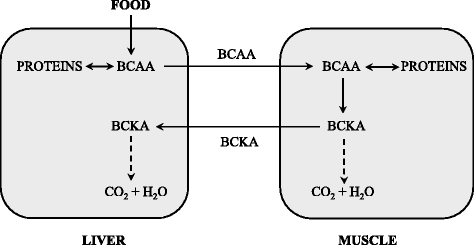
Branched Chain Amino Acids In Health And Disease Metabolism Alterations In Blood Plasma And As Supplements Nutrition Metabolism Full Text

Branched Chain Amino Acids Cause Liver Injury In Obese Diabetic Mice By Promoting Adipocyte Lipolysis And Inhibiting Hepatic Autophagy Ebiomedicine

Branched Chain Amino Acids And The Association With Type 2 Diabetes Chen 2015 Journal Of Diabetes Investigation Wiley Online Library
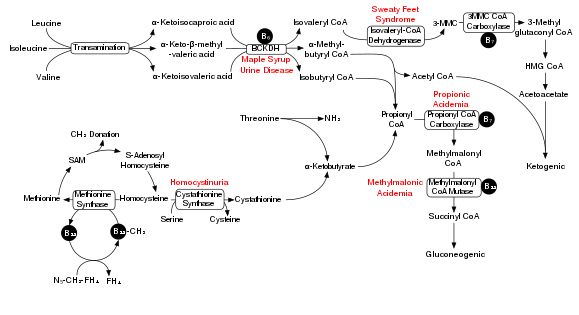
Branched Chain Amino Acid Wikipedia
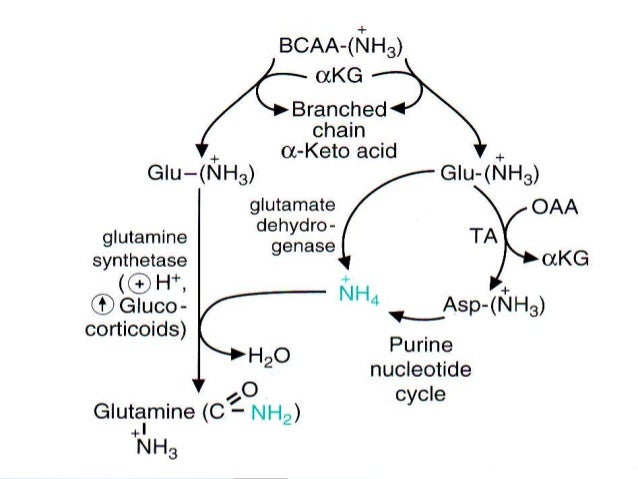
Branched Chain Aminoacids
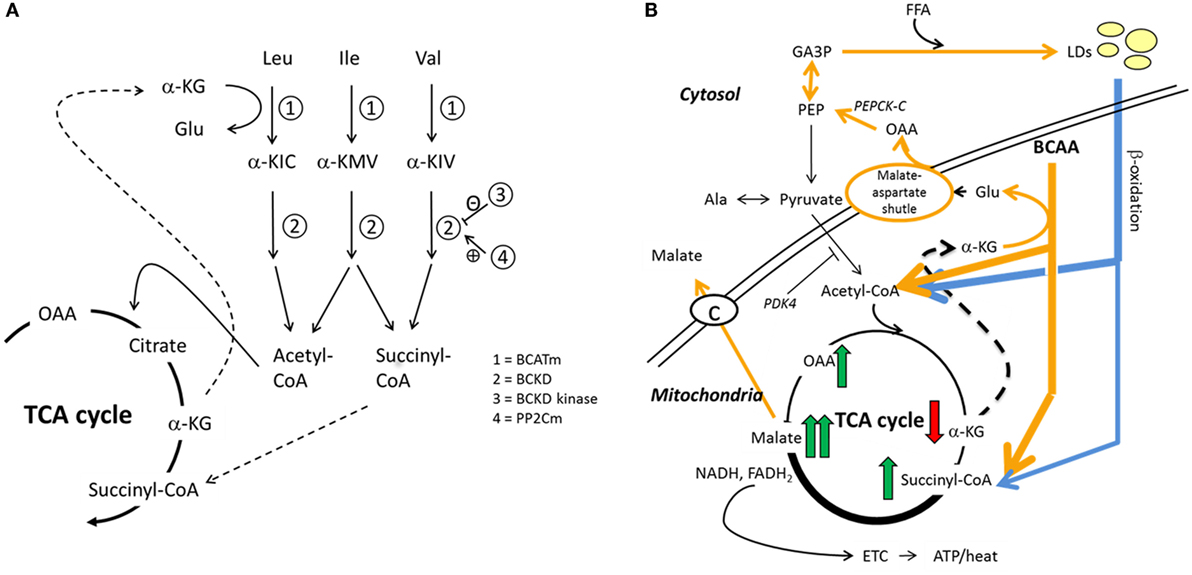
Frontiers Branched Chain Amino Acid Levels Are Related With Surrogates Of Disturbed Lipid Metabolism Among Older Men Medicine

The Role Of Branched Chain Amino Acids In Liver Diseases

Pdf Aromatic Amino Acid Metabolism During Liver Failure
Nutrition And Disease Injury States Barbara Magnuson
2
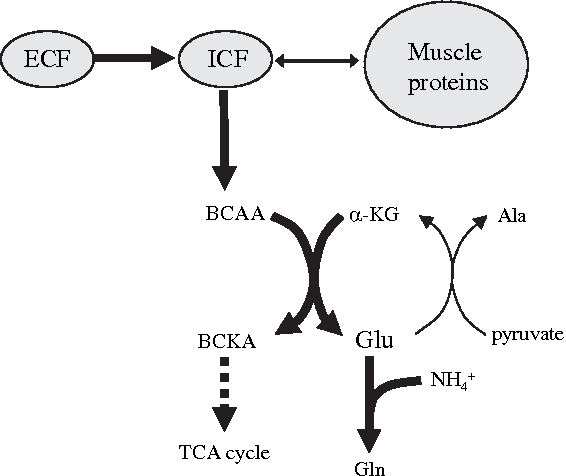
Figure 3 From Three Targets Of Branched Chain Amino Acid Supplementation In The Treatment Of Liver Disease Semantic Scholar
1
Branched-chain amino acids BCAAs are a group of essential amino acids comprising valine leucine and isoleucine.
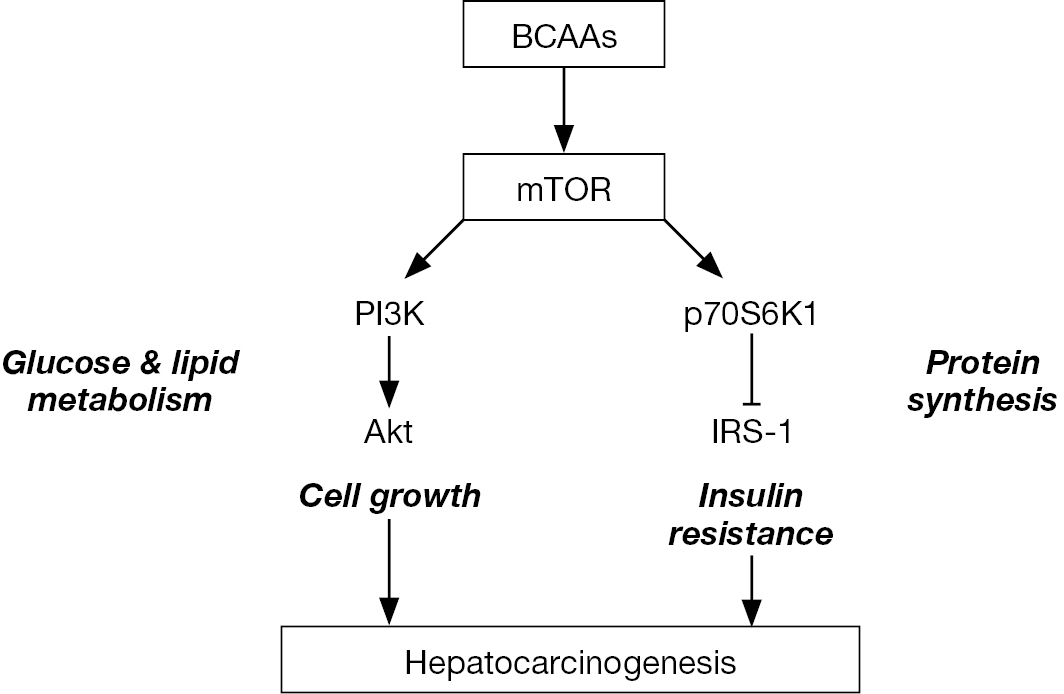
This amino acid deficiency can lead to muscle wasting and in severe cases a build-up of neurotoxins in the blood. Valine leucine and isoleucine in treatment of liver failure is based on their unique pharmacologic properties stimulatory effect on ammonia detoxification to glutamine GLN and decreased concentrations in liver cirrhosis. Branched chain amino acids BCAAs have been shown to affect gene expression protein metabolism apoptosis and regeneration of hepatocytes and insulin resistance. Branched-chain amino acids as pharmacological nutrients in chronic liver disease. The beneficial role of branched-chain amino acids supplementation in patients with chronic hepatic encephalopathy has been clearly documented in. Objective The aim of this study was to assess the effect of branched-chain amino acid BCAA supplements on muscle strength and muscle mass in patients with liver cirrhosis. A Korean Nationwide Multicenter Prospective Observational Cohort Study. Up to 10 cash back Increased levels of branched-chain amino acids BCAAs are associated with type 2 diabetes pathogenesis. Branched-chain amino acids in liver disease.
Impaired activity of the branched-chain 2-oxoacid dehydrogenase complex results in the accumulation of branched chain l -amino acids leucine isoleucine and valine and 2-oxoacids. Administration of branched-chain amino acids stimulates hepatic protein synthesis in patients with chronic liver disease and this could contribute significantly to improving their nutritional status and result in a better quality of life. BCAAs have also been reported to suppress the growth of hepatocellular carcinoma HCC cells in vitro and to be required for immune cells to perform the function. Liver diseases like fatty liver disease or liver cirrhosis often results in amino acid imbalances including particularly low levels of branched-chain amino acids. However there are few com- prehensive reviews on the biological activities of BCAAs. Is intravenous administration of branched chain amino acids effective in the treatment of hepatic encephalopathy. Plauth M 1 Schütz T.

Post a Comment for "Branched Chain Amino Acids Liver Disease"